
 EN
EN
 AR
AR
 FR
FR
 DE
DE
 IT
IT
 JA
JA
 KO
KO
 PT
PT
 RU
RU
 ES
ES
 VI
VI
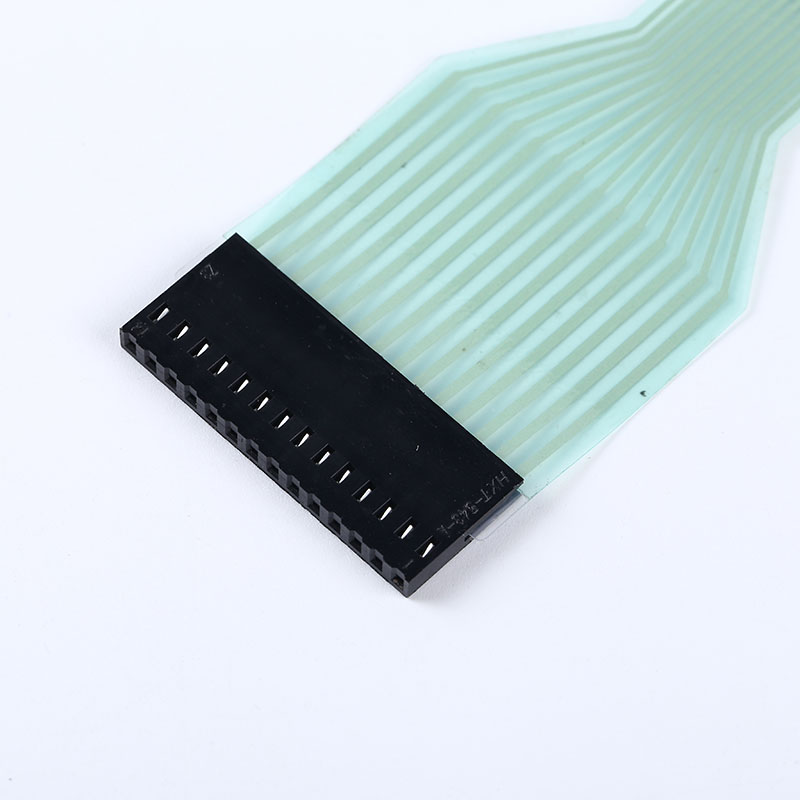
Membrane switches is common in many devices that we use daily, like computers, appliances, and medical stuff. They made from thin layers of material which sense touch. When you press a button on membrane switch, it send signal to the device. The force you need for pressing and how far you push it to work is very important. These things, call "force" and "travel distance," affect how easy the device is to use. At Hongmao, we focus on making switches that feel comfortable and simple for everyone
What is Ideal Travel Distance for Membrane Switches in High-Volume Orders
When making Membrane switches for big orders, the travel distance—how far the button go down—is really key. If it's too long, using the device can get tiring. Like, imagine pushing a button that need a lot of press; it might hurt fingers after some time! But if too short, you can't tell if you pressed it right. That's why most switches have travel between 0.5 mm and 1.5 mm. At Hongmao, we see that about 1 mm work good for most devices. It balance well—users feel the button easy without getting wore out. Some buttons add tactile feedback, like a small click feel or sound when press. This help know you did it. In addition, for high-volume orders where lots people use them, comfort keep users happy
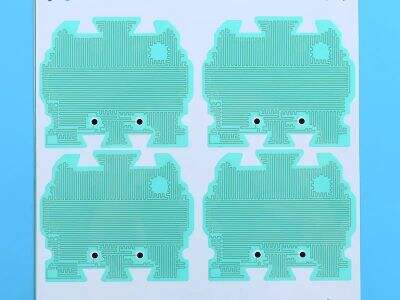
How to Choose Right Force and Travel Distance for Membrane Switch Usability
Picking the right force and travel distance for membrane switches is crucial to usability. First, consider the users. For kids or old people, lighter force might better. In noisy places like factories, stronger force can prevent accident presses. Usually, force range from 100 grams to 300 grams. At Hongmao, we suggest start with 200 grams, as it comfortable for most. Then travel distance, which we mention earlier. Combine right force with good travel, and you get great experience. A tip is test with real users, so you see their reaction to different forces and travels. It all about finding what feel nice and make device easy. By watch these, your switches meet needs and work in any spot
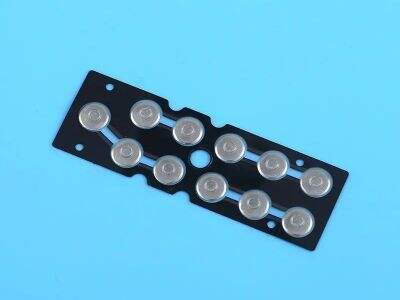
How Membrane Switch Specs Affect Quality and Performance in Wholesale Markets
In wholesale markets, quality of Membrane switches matter a lot. They used in many products, so need be reliable and user-friendly. One main spec is force to press. Wrong force affect quality. For example, if too hard, customers complain to stores. They might not buy again because hard to use. If too sensitive, it activate easy, cause unwanted changes. This hurt product rep and company, like Hongmao who want known for good stuff
Travel distance another big spec. If not right, it change how switch feel. Good travel give feedback, so users confident they pressed proper. Too short, no feel that, lead to mistakes. Too long, frustrate and make avoid product. In wholesale, bad specs mean poor sales for whole line. Good ones ensure high quality, better sales and happy customers. At Hongmao, we watch these specs close to make switches perform well
What Make Membrane Switch Force and Travel Distance Critical for User Satisfaction
User satisfaction is top goal for companies like Hongmao making products. For membrane switches, force and travel are main factors for happiness. If force just right, users feel comfy using device. No struggle with buttons, make experience smooth. This lead to happy customers who recommend it. If too high, they get frustrated and avoid using again. That bring bad reviews and low sales, bad for business
So, balance of force and travel make devices enjoyable. Happy users stay loyal and tell friends. At Hongmao, we create switches with perfect force and travel to keep customers satisfied and enjoying their devices
Table of Contents
- What is Ideal Travel Distance for Membrane Switches in High-Volume Orders
- How to Choose Right Force and Travel Distance for Membrane Switch Usability
- How Membrane Switch Specs Affect Quality and Performance in Wholesale Markets
- What Make Membrane Switch Force and Travel Distance Critical for User Satisfaction